Schools
69Movements and schools of thought: Stoicism, Vedānta, Daoism, Existentialism…
Popularity
69 results
 Kantianism★Modern European1781 – presentKant's critical philosophy and its heirs: the mind structures experience; morality is grounded in rational autonomy.
 Daoism★Chinese400 BCE – presentFollow the Dao — the nameless way of nature — through simplicity, spontaneity and effortless action (wu wei).Marxism★Modern European1848 – presentHistory is driven by material and economic forces and class struggle; capitalism will give way to communism.
 Sikh philosophy★Indian1500 – presentGuru Nanak's teaching of one formless God (Ik Onkar), honest work, sharing and service, and the equality of all people.
 Zoroastrianism★Islamicc. 1200 BCE – presentZoroaster's ethical dualism: the world as a struggle between truth and lie, won by good thoughts, good words and good deeds.
 Confucianism★Chinese500 BCE – presentMoral self-cultivation through ritual, learning and humane relationships — the backbone of East Asian ethics and politics.Sufism★Islamic800 – presentIslamic mysticism: love, annihilation of the ego (fanāʾ) and union with the divine.
 Chan / Zen Buddhism★Chinese500 – presentMeditation school stressing sudden awakening, direct pointing to the mind and transmission outside the scriptures.
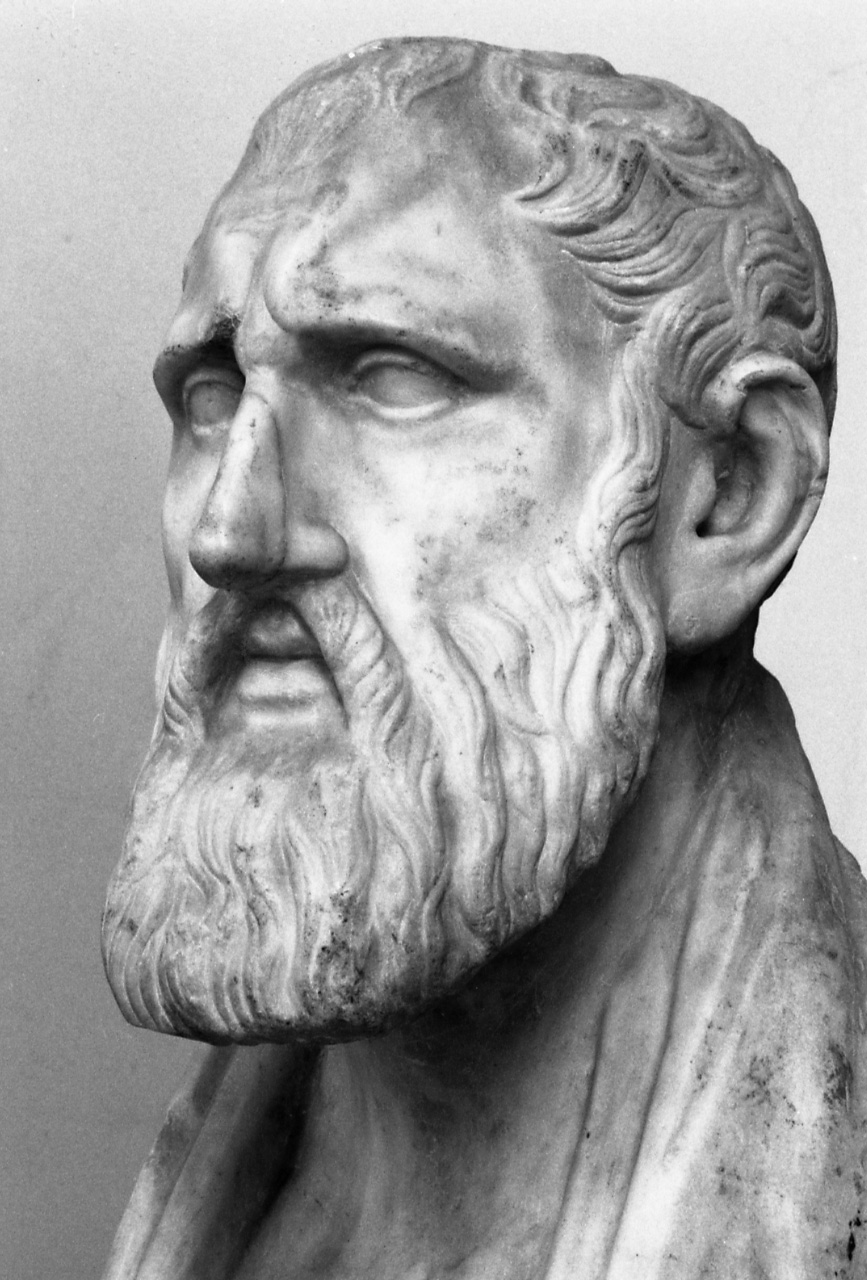 StoicismGreek & Roman300 BCE – 250 CEVirtue is the only good; focus on what is in your control and accept the rest as the rational order of nature.RationalismModern European1630 – 1780Reason, not the senses, is the chief source of knowledge; some ideas are innate.
 EmpiricismModern European1650 – presentAll knowledge comes from experience; the mind starts as a blank slate.
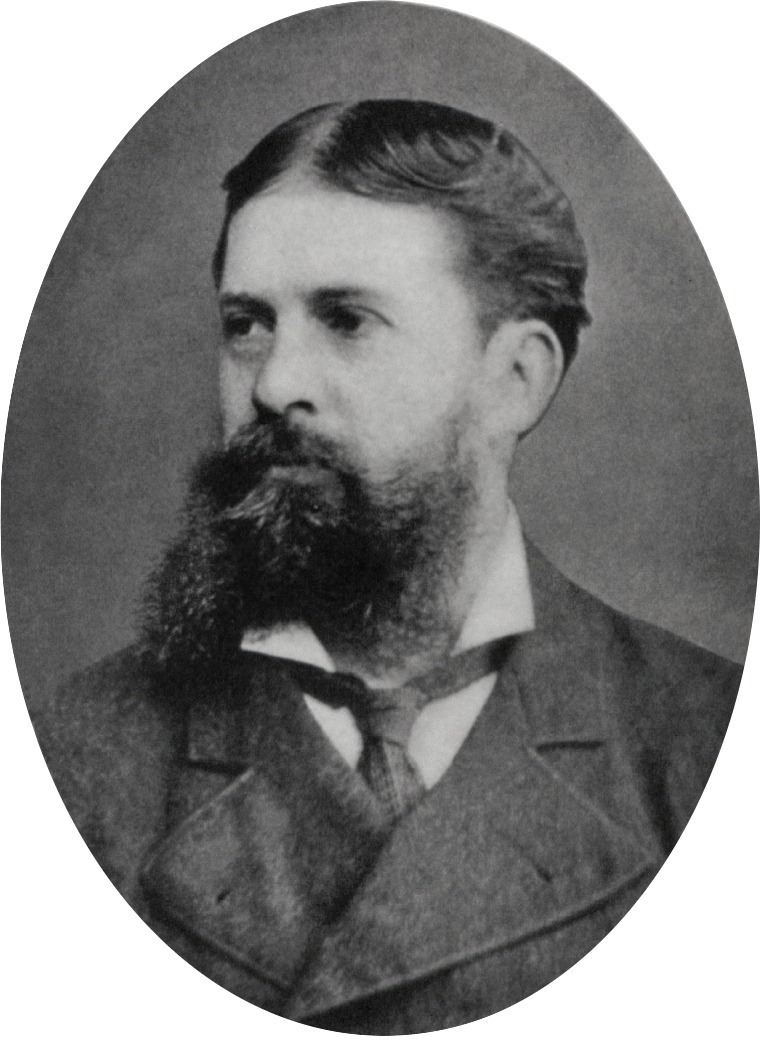 PragmatismAmericas1870 – presentThe meaning and truth of ideas lie in their practical consequences.UtilitarianismModern European1780 – presentThe right act is the one that produces the greatest happiness for the greatest number.
 ScholasticismMedieval Latin1100 – 1700The medieval universities' method of rigorous disputation reconciling Christian doctrine with Aristotle.
 PhenomenologyModern European1900 – presentDescribe experience exactly as it is lived, "back to the things themselves".
 CynicismGreek & Roman400 BCE – 500 CELive according to nature, reject convention, wealth and status — as Diogenes did from his barrel.
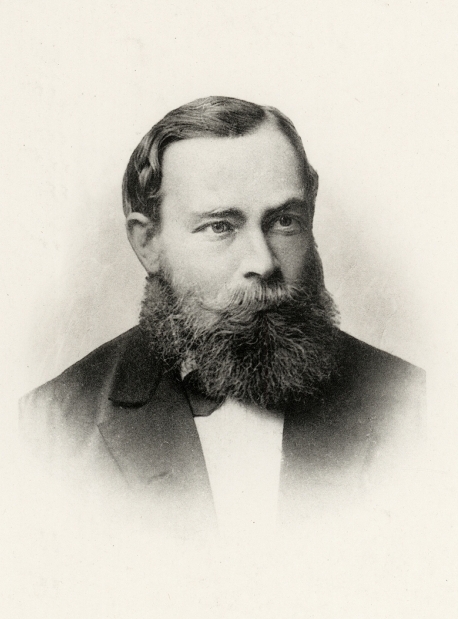 Analytic philosophyModern European1900 – presentPhilosophy as clarity through logical and linguistic analysis; dominant in the English-speaking world.
 Presocratic philosophyGreek & Roman600 – 400 BCEThe first Greek philosophers, who sought a single principle (archē) behind nature.
 NeoplatonismGreek & Roman250 – 600Plotinus's system in which all reality emanates from the ineffable One.VedāntaIndian500 BCE – present"The end of the Vedas": schools interpreting the Upaniṣads on the relation between the self (ātman), the world and ultimate reality (Brahman).
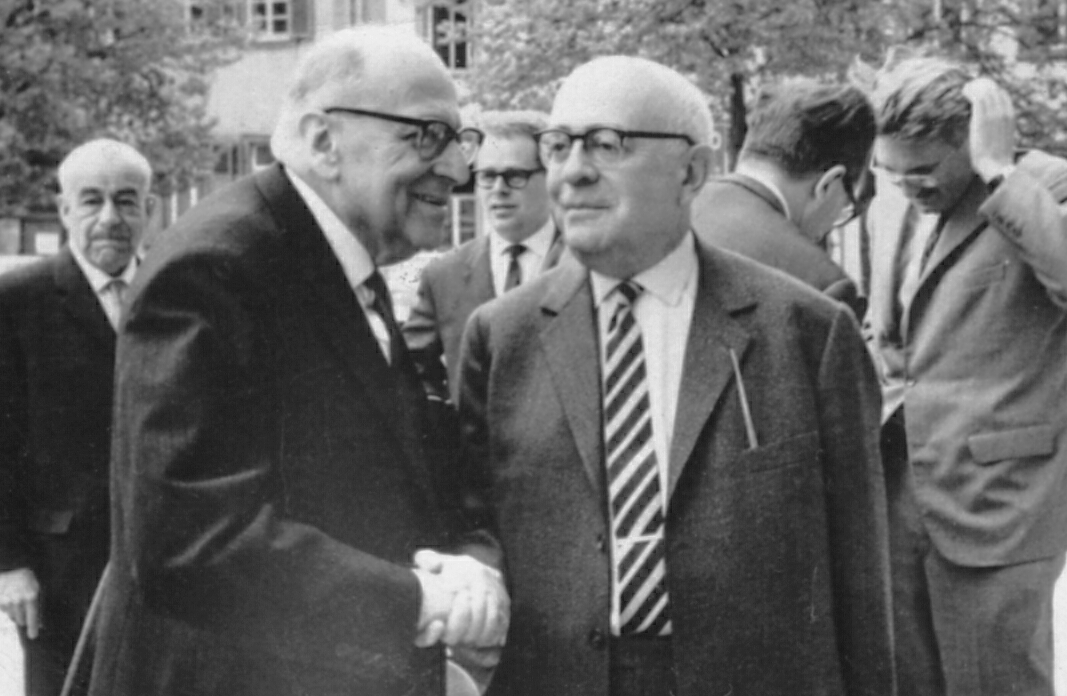 Critical theoryModern European1930 – presentA Marxist-inspired critique of society, culture and domination.
 PlatonismGreek & Roman387 BCE – presentThe view, from Plato, that abstract, perfect Forms are more real than the changing world of the senses.AtomismGreek & Roman460 BCE – presentEverything is made of indivisible particles moving in the void.
 Logical positivismModern European1920 – 1960Only empirically verifiable or logically true statements are meaningful; metaphysics is nonsense.
 Social contract theoryModern European1650 – presentPolitical authority is legitimate because free, equal people would (or did) agree to it.
 EpicureanismGreek & Roman307 BCE – 300 CEThe good life is a pleasant life — but true pleasure is tranquillity (ataraxia) and freedom from pain, won through friendship, simplicity and…SophistsGreek & Roman450 – 350 BCEPaid teachers of rhetoric and virtue, often relativists — Socrates's great rivals.
 PythagoreanismGreek & Roman530 – 100 BCEA philosophical brotherhood holding that number is the key to reality and the soul transmigrates.
 Advaita VedāntaIndian700 – presentNon-dualism: the individual self (ātman) is identical with Brahman, and the world of many things is appearance (māyā).CārvākaIndian600 BCE – 1400 CEIndian materialism: only perception is valid; no soul, no afterlife, no karma.
 LegalismChinese400 – 200 BCEStrong state power through clear laws, rewards and punishments; it unified China under the Qin.SāṃkhyaIndian500 BCE – presentA dualism of pure consciousness (puruṣa) and matter (prakṛti), with its three qualities (guṇas).
 KalāmIslamic750 – presentIslamic rational theology: atoms, God's attributes, free will and the creation of the world.TranscendentalismAmericas1830 – 1860Emerson and Thoreau's American movement: the divinity of nature, self-reliance and the inner light.MīmāṃsāIndian300 BCE – presentInterpretation of Vedic ritual and duty (dharma); a sophisticated philosophy of language.NyāyaIndian200 BCE – presentThe logic school: valid knowledge via perception, inference, comparison and testimony.Ubuntu philosophyAfrican1960 – present"I am because we are": personhood and morality grounded in community.Continental philosophyModern European1900 – presentPhenomenology, existentialism, hermeneutics, critical theory and post-structuralism.
 VaiśeṣikaIndian200 BCE – presentAtomist realism classifying reality into categories (padārthas).Post-structuralismModern European1960 – presentMeaning is unstable; power and language shape what counts as knowledge and identity.
 AristotelianismGreek & Roman335 BCE – presentAristotle's system: substance, the four causes, logic and virtue ethics — dominant for two thousand years.German idealismModern European1790 – 1850Fichte, Schelling and Hegel: reality as the self-unfolding of spirit or reason.
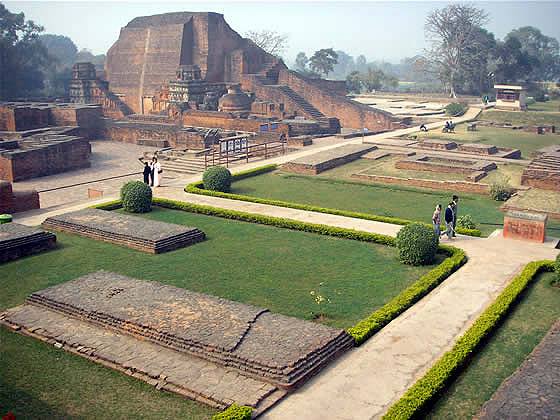 Buddhist philosophyIndian500 BCE – presentFrom the Buddha's Four Noble Truths: suffering arises from craving and ignorance and can end through insight into impermanence, no-self and dependent…
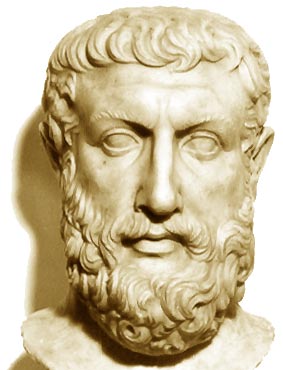 Eleatic schoolGreek & Roman500 – 400 BCEParmenides and Zeno argued that change and plurality are illusions; being is one and unchanging.
 MohismChinese470 – 221 BCEMozi's school of impartial care (jian ai), utility and anti-war activism — a rival to Confucianism.
 Renaissance humanismModern European1350 – 1600Recovery of classical learning and celebration of human dignity and potential.
 MadhyamakaIndian150 – presentThe "Middle Way" school of Nāgārjuna: all things are empty (śūnya) of intrinsic nature.Neo-ConfucianismChinese1000 – 1900Song–Ming revival uniting Confucian ethics with a metaphysics of principle (li) and vital force (qi).YogācāraIndian300 – present"Mind-only": analysis of consciousness and how experience constructs its world.NégritudeAfrican1930 – 1970Senghor, Césaire and Damas's affirmation of Black African culture and identity against colonialism.Feminist philosophyModern European1790 – presentExamines how gender shapes knowledge, ethics, politics and the self.PyrrhonismGreek & Roman320 BCE – 250 CESuspend judgement (epochē) on every question and tranquillity follows.
 Dvaita VedāntaIndian1250 – presentDualism: God, souls and matter are eternally distinct.
 Bhakti movementIndian600 – 1800A devotional revolution across India that put loving devotion above caste, ritual and priesthood — through poet-saints like Kabir, Mirabai and…
 ViśiṣṭādvaitaIndian1050 – presentQualified non-dualism: souls and world are real, distinct attributes of Brahman, like a body of God.School of NamesChinese400 – 250 BCEChinese logicians known for paradoxes like "a white horse is not a horse".YogaIndian200 BCE – presentPatañjali's system of disciplined meditation that stills the mind's fluctuations to reveal pure consciousness.IlluminationismIslamic1180 – presentSuhrawardī's philosophy of light: reality as degrees of luminosity, known by presence.Jain philosophyIndian500 BCE – presentNon-violence, many-sidedness of truth (anekāntavāda) and the liberation of the soul from karmic matter.Neo-VedāntaIndian1850 – presentModern reinterpretations of Vedānta by Vivekananda, Aurobindo and Radhakrishnan that stress universal religion and experience.