Reading lists
Curated shelves for every interest. Books marked “Read free” are public domain — open them tonight.
Your first ten books
Short, readable classics that open the door to philosophy.
 Plato
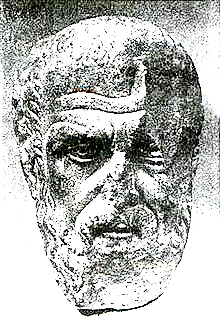 Arrian
 Laozi
 Confucius
 Marcus Aurelius· c. 175
Marcus Aurelius's private Stoic notebook, written on campaign.
Read free John Stuart Mill· 1859
Mill's defence of individual freedom and the harm principle.
Read free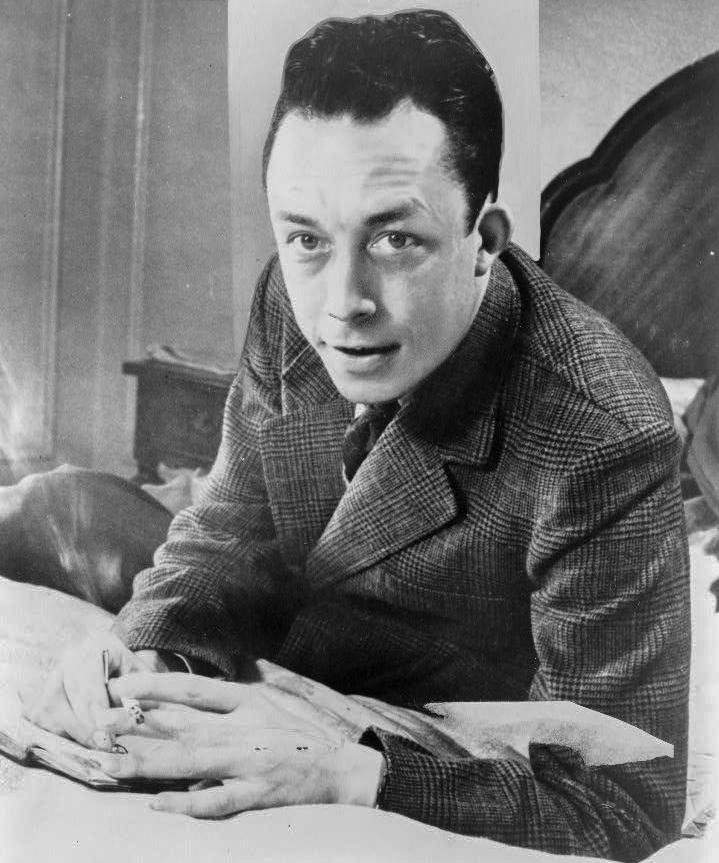 Albert Camus
Krishna's counsel to the warrior Arjuna on duty, action without attachment, knowledge and devotion.
Read freeIndian classics
From the Vedas to Nāgārjuna and Śaṅkara.
The oldest Indian scripture; its Hymn of Creation asks "who really knows?" how the world began.
Krishna's counsel to the warrior Arjuna on duty, action without attachment, knowledge and devotion.
Read free Patañjali
 Cāṇakya
 Nāgārjuna· c. 200
Nāgārjuna's "Fundamental Verses on the Middle Way", the root text of Madhyamaka.
 Ādi Śaṅkara· c. 720
Śaṅkara's commentary on the Brahma Sūtras, the classic statement of Advaita.
Chinese classics
The texts of the Hundred Schools.
 Zhuangzi· c. 300 BCE
Witty, paradoxical Daoist stories: the butterfly dream, Cook Ding, the useless tree.
 Mencius
Greek & Roman essentials
Plato to Marcus Aurelius.
 Aristotle· c. 340 BCE
Aristotle's inquiry into the good life: happiness, virtue, friendship and contemplation.
Read free Lucretius· c. 55 BCE
Lucretius's poem setting out Epicurean atomism.
Read free SenecaMarcus Aurelius· c. 175
Marcus Aurelius's private Stoic notebook, written on campaign.
Read free Plotinus
Islamic & Jewish masterpieces
Reason and revelation in dialogue.
 Al-Ghazālī· 1095
Al-Ghazālī's attack on twenty theses of the Aristotelian philosophers.
 Ibn Rushd (Averroes)· 1180
Ibn Rushd's point-by-point reply to al-Ghazālī.
 Maimonides· 1190
Maimonides reconciles the Torah with Aristotelian philosophy.
 Ibn Khaldūn· 1377
Ibn Khaldūn's introduction to history: cycles of civilisation and social cohesion.
 Rūmī
The modern canon
Descartes to Wittgenstein.
 René Descartes· 1641
Six meditations from radical doubt to God, mind and body.
Read free Thomas Hobbes
 Baruch Spinoza
 John Locke· 1689
Locke's empiricist account of the origin and limits of knowledge.
Read free David Hume· 1739
Hume's youthful masterpiece, which "fell dead-born from the press".
Read free Immanuel Kant· 1781
Kant's investigation of the limits of reason: how synthetic a priori knowledge is possible.
Read freeImmanuel Kant· 1785Kant's short foundational work introducing the categorical imperative.
Read free G. W. F. Hegel· 1807
Hegel's journey of consciousness to absolute knowing, including the master–slave dialectic.
John Stuart Mill· 1859Mill's defence of individual freedom and the harm principle.
Read free Friedrich Engels· 1848
"The history of all hitherto existing society is the history of class struggles."
Read free Friedrich Nietzsche· 1883
Nietzsche's philosophical novel of the Übermensch and eternal recurrence.
Read free Ludwig Wittgenstein· 1921
Wittgenstein's numbered propositions on language, logic and the world.
Read freeLudwig Wittgenstein· 1953Wittgenstein's later philosophy: meaning as use, language games, private language.
The existentialist shelf
Freedom, anxiety, absurdity and authenticity.
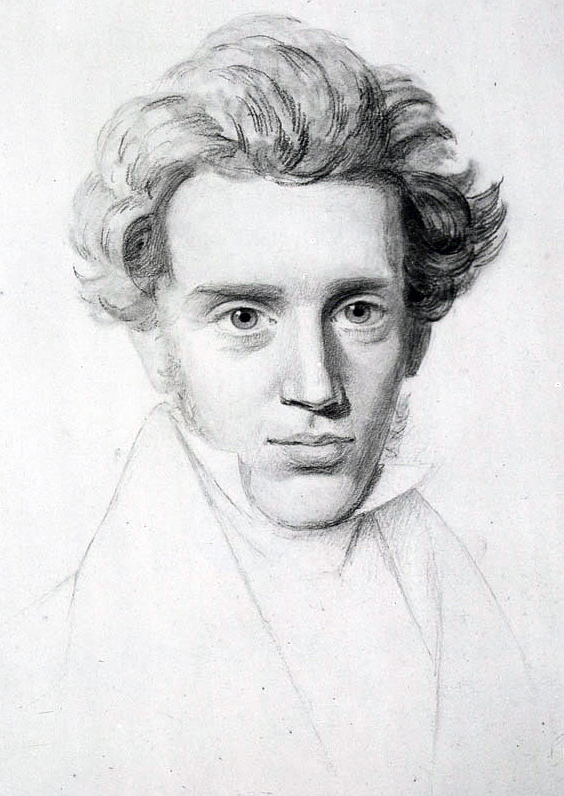 Søren KierkegaardFriedrich Nietzsche· 1883
Nietzsche's philosophical novel of the Übermensch and eternal recurrence.
Read free Martin Heidegger· 1927
Heidegger's analysis of Dasein and the question of the meaning of Being.
 Jean-Paul Sartre· 1943
Sartre's phenomenological ontology of freedom and bad faith.
 Simone de Beauvoir· 1949
Beauvoir's analysis of women's oppression, a founding text of modern feminism.
Politics & justice
How should we live together?
 Niccolò Machiavelli· 1513
Machiavelli's handbook of power: it is safer to be feared than loved.
Read freeJohn Locke· 1689Locke's theory of natural rights and government by consent.
Read free Jean-Jacques Rousseau· 1762
"Man is born free, and everywhere he is in chains."
Read free Mary Wollstonecraft· 1792
Wollstonecraft's case for women's education and rational equality.
Read freeFriedrich Engels· 1848"The history of all hitherto existing society is the history of class struggles."
Read freeJohn Stuart Mill· 1859Mill's defence of individual freedom and the harm principle.
Read free Hannah Arendt· 1951
Arendt on antisemitism, imperialism and totalitarian rule.
 Frantz Fanon
 John Rawls· 1971
Rawls's justice as fairness: the original position and the difference principle.
 Robert Nozick
Free to read tonight
Public-domain classics with full text on Project Gutenberg.
David Hume· 1739Hume's youthful masterpiece, which "fell dead-born from the press".
Read freeMary Wollstonecraft· 1792Wollstonecraft's case for women's education and rational equality.
Read freeDavid Hume· 1748Hume's accessible restatement of his epistemology, including the problem of induction.
Read freeJohn Locke· 1689Locke's empiricist account of the origin and limits of knowledge.
Read freeFriedrich Nietzsche· 1886Nietzsche's "prelude to a philosophy of the future".
Read freeKrishna's counsel to the warrior Arjuna on duty, action without attachment, knowledge and devotion.
Read free Voltaire
 Augustine of Hippo· 400
Augustine's autobiography of conversion, with famous reflections on memory and time.
Read freeImmanuel Kant· 1781Kant's investigation of the limits of reason: how synthetic a priori knowledge is possible.
Read free Michel de MontaigneImmanuel Kant· 1785
Kant's short foundational work introducing the categorical imperative.
Read freeMarcus Aurelius· c. 175Marcus Aurelius's private Stoic notebook, written on campaign.
Read freeRené Descartes· 1641Six meditations from radical doubt to God, mind and body.
Read freeAristotle· c. 340 BCEAristotle's inquiry into the good life: happiness, virtue, friendship and contemplation.
Read freeJohn Stuart Mill· 1859Mill's defence of individual freedom and the harm principle.
Read freeFriedrich Nietzsche· 1887Three essays on the origins of moral values: master and slave morality, guilt, ascetic ideals.
Read freeLucretius· c. 55 BCELucretius's poem setting out Epicurean atomism.
Read free Blaise PascalFriedrich Engels· 1848
"The history of all hitherto existing society is the history of class struggles."
Read free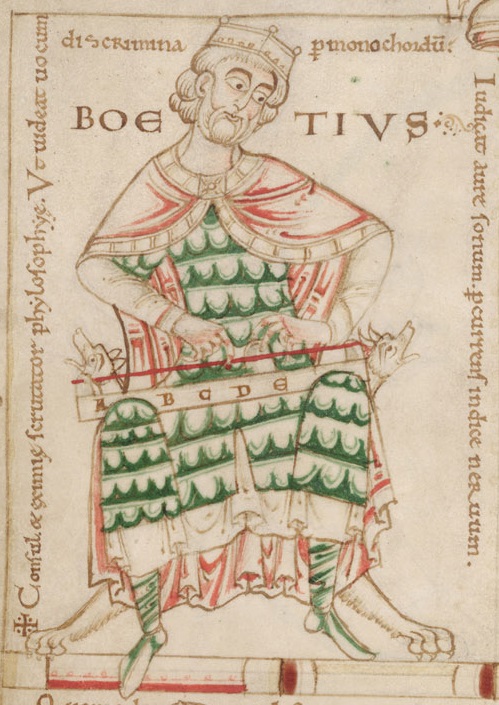 Boethius· 524
Lady Philosophy consoles the imprisoned Boethius on fortune, happiness and providence.
Read freeNiccolò Machiavelli· 1513Machiavelli's handbook of power: it is safer to be feared than loved.
Read freeJean-Jacques Rousseau· 1762"Man is born free, and everywhere he is in chains."
Read free Arthur Schopenhauer· 1818
Schopenhauer's pessimistic metaphysics of the Will.
Read freeFriedrich Nietzsche· 1883Nietzsche's philosophical novel of the Übermensch and eternal recurrence.
Read freeLudwig Wittgenstein· 1921Wittgenstein's numbered propositions on language, logic and the world.
Read freeJohn Locke· 1689Locke's theory of natural rights and government by consent.
Read freeJohn Stuart Mill· 1861Mill's defence of the greatest happiness principle with higher and lower pleasures.
Read free