Continental philosophy
Phenomenology, existentialism, hermeneutics, critical theory and post-structuralism.
Continental philosophy is a group of Western philosophies first prominent in 20th-century continental Europe that derive from a broadly Kantian tradition of focusing on the individual and society. Continental philosophy includes German idealism, phenomenology, philosophical pessimism, existentialism (and its antecedents, such as the thought of Kierkegaard and Nietzsche), hermeneutics, structuralism, post-structuralism, deconstruction, French feminism, psychoanalytic theory, posthumanism, speculative realism, and the critical theory of the Frankfurt School as well as some Freudian, Hegelian, and Western Marxist views.
There is no academic consensus on the definition of continental philosophy. Prior to the twentieth century, the term "continental" was used broadly to refer to philosophy from continental Europe. A slightly narrower use of the term originated among English-speaking philosophers since the second half of the 20th century, who use it as a convenient catch-all term to refer to a range of thinkers and traditions outside the movement known as analytic philosophy. The term continental philosophy may mark merely a family resemblance across disparate philosophical views; a similar argument has been made for analytic philosophy.
Definition
The term continental philosophy, in the above sense, was first widely used by English-speaking philosophers to describe university courses in the 1970s, emerging as a collective name for the philosophies then widespread in France and Germany, such as phenomenology, existentialism, structuralism, and post-structuralism.
However, the term (and its approximate sense) can be found at least as early as 1840, in John Stuart Mill's 1840 essay on Coleridge, where Mill contrasts the Kantian-influenced thought of "Continental philosophy" and "Continental philosophers" with the English empiricism of Bentham and the 18th century generally. This notion gained prominence in the early 20th century as figures such as Bertrand Russell and G. E. Moore advanced a vision of philosophy closely allied with natural science, progressing through logical analysis. This tradition, which has come to be known broadly as analytic philosophy, became dominant in Britain and the United States from roughly 1930 onward. Russell and Moore made a dismissal of Hegelianism and its philosophical relatives a distinctive part of their new movement. Commenting on the history of the distinction in 1945, Russell distinguished "two schools of philosophy, which may be broadly distinguished as the Continental and the British respectively", a division he saw as operative "from the time of Locke"; Russell identifies the following broad distinctions between Continental and British philosophical traditions, respectively:
in method, deductive system-building vs. piecemeal induction;
in metaphysics, rationalist theology vs. metaphysical agnosticism;
in ethics, non-naturalist deontology vs. naturalist hedonism; and
in politics, authoritarianism vs. liberalism.
Since the 1970s, however, philosophers in the United States and Britain have taken an interest in continental philosophers since Kant, and the philosophical traditions in multiple European countries have similarly incorporated aspects of the "analytic" movement. Self-described analytic philosophy flourishes in France, including philosophers such as Jules Vuillemin, Vincent Descombes, Gilles Gaston Granger, François Recanati, and Pascal Engel. Likewise, self-described "continental philosophers" can be found in philosophy departments in the United Kingdom, North America, and Australia. "Continental philosophy" is thus defined in terms of a family of philosophical traditions and influences rather than a geographic distinction. The issue of geographical specificity has been raised again more recently in post-colonial and decolonial approaches to "continental philosophy", which critically examine the ways that European imperial and colonial projects have influenced academic knowledge production. For this reason, Nelson Maldonado-Torres has advocated for "post-continental philosophy" as an outgrowth of continental philosophy.
Characteristics
The term continental philosophy, like analytic philosophy, lacks a clear definition and may mark merely a family resemblance across disparate philosophical views. Simon Glendinning has suggested that the term was originally more pejorative than descriptive, functioning as a label for types of western philosophy rejected or disliked by analytic philosophers. Nonetheless, Michael E. Rosen has ventured to identify common themes that typically characterize continental philosophy. The themes derive from a broadly Kantian thesis that knowledge, experience, and reality are bound and shaped by conditions best understood through philosophical reflection rather than exclusively empirical inquiry.
Continental philosophers generally reject the view that the natural sciences are the only or most accurate way of understanding natural phenomena. This contrasts with a number of analytic philosophers who consider their inquiries as continuous with, or subordinate to, those of the natural sciences. Continental philosophers often argue that science depends upon a "pre-theoretical substrate of experience" (a version of Kantian conditions of possible experience or the phenomenological "lifeworld") and that scientific methods are inadequate to fully understand such conditions of intelligibility.
Continental philosophy usually considers these conditions of possible experience as variable: determined at least partly by factors such as context, space and time, language, culture, or history. Thus continental philosophy tends toward historicism (or historicity). Where analytic philosophy tends to treat philosophy in terms of discrete problems, capable of being analyzed apart from their historical origins (much as scientists consider the history of science inessential to scientific inquiry), continental philosophy typically suggests that "philosophical argument cannot be divorced from the textual and contextual conditions of its historical emergence."
Continental philosophy typically holds that human agency can change these conditions of possible experience: "if human experience is a contingent creation, then it can be recreated in other ways." Thus continental philosophers tend to take a strong interest in the unity of theory and practice, and often see their philosophical inquiries as closely related to personal, moral, or political transformation. This tendency is clear in the Marxist tradition ("philosophers have only interpreted the world, in various ways; the point, however, is to change it"), but is also central in existentialism and post-structuralism.
A final characteristic trait of continental philosophy is an emphasis on metaphilosophy. In the wake of the development and success of the natural sciences, continental philosophers have often sought to redefine the method and nature of philosophy. In some cases (such as German idealism or phenomenology), this manifests as a renovation of the traditional view that philosophy is the first, foundational, a priori science. In other cases (such as hermeneutics, critical theory, or structuralism), it is held that philosophy investigates a domain that is irreducibly cultural or practical. And some continental philosophers (such as Kierkegaard, Nietzsche, or later Heidegger) doubt whether any conception of philosophy can coherently achieve its stated goals.
History
The history of continental philosophy (taken in the narrower sense of "late modern / contemporary continental philosophy") is usually thought to begin with German idealism. Led by figures like Fichte, Schelling, and later Hegel, German idealism developed out of the work of Immanuel Kant in the 1780s and 1790s and was closely linked with romanticism and the revolutionary politics of the Enlightenment. Besides the central figures listed above, important contributors to German idealism also included Friedrich Heinrich Jacobi, Gottlob Ernst Schulze, Karl Leonhard Reinhold, and Friedrich Schleiermacher.As the institutional roots of "continental philosophy" in multiple cases directly descend from those of phenomenology, Edmund Husserl has always been a canonical figure in continental philosophy. Nonetheless, Husserl is also a respected subject of study in the analytic tradition. Husserl's notion of a noema, the non-psychological content of thought, his correspondence with Gottlob Frege, and his investigations into the nature of logic continue to generate interest among analytic philosophers.
J. G. Merquior argued that a distinction between analytic and continental philosophies can be first clearly identified with Henri Bergson (1859–1941), whose wariness of science and elevation of intuition paved the way for existentialism. Merquior wrote: "the most prestigious philosophizing in France took a very dissimilar path [from the Anglo-Germanic analytic schools]. One might say it all began with Henri Bergson."
An illustration of some important differences between analytic and continental styles of philosophy can be found in Rudolf Carnap's "Elimination of Metaphysics through Logical Analysis of Language" (1932; "Überwindung der Metaphysik durch Logische Analyse der Sprache"), a paper some observers have described as particularly polemical. Carnap's paper argues that Heidegger's lecture "What Is Metaphysics?" violates logical syntax to create nonsensical pseudo-statements. Moreover, Carnap claimed that a number of German metaphysicians of the era were similar to Heidegger in writing statements that were syntactically meaningless.
19th-century German philosophy
Adapted from the Wikipedia article Continental philosophy, available under CC BY-SA 4.0.
Connections
Members
118 Friedrich Nietzsche1844 – 1900
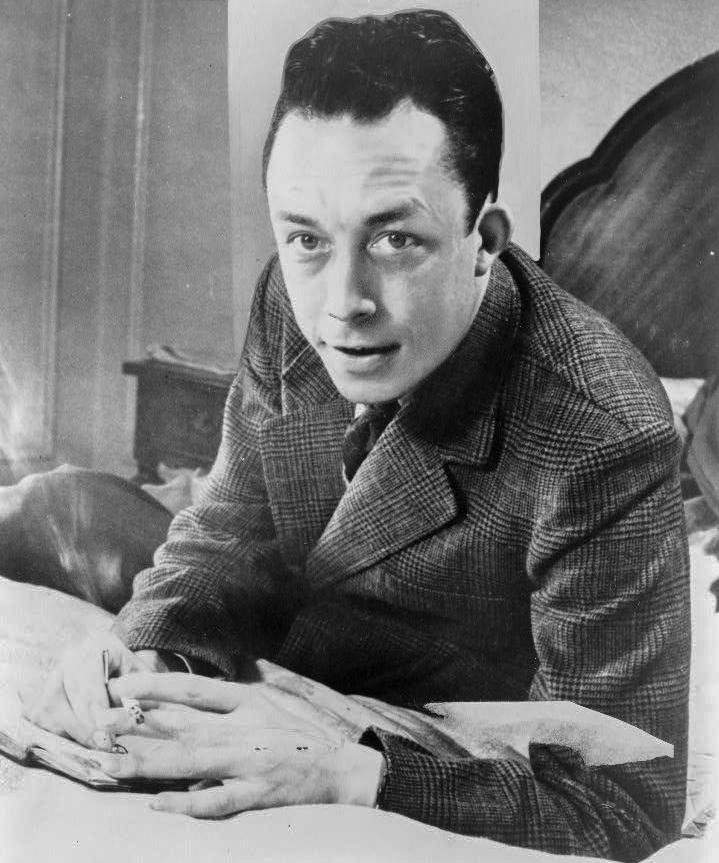 Albert Camus1913 – 1960
 Jean-Paul Sartre1905 – 1980
 Friedrich Engels1820 – 1895
 Max Weber1864 – 1920
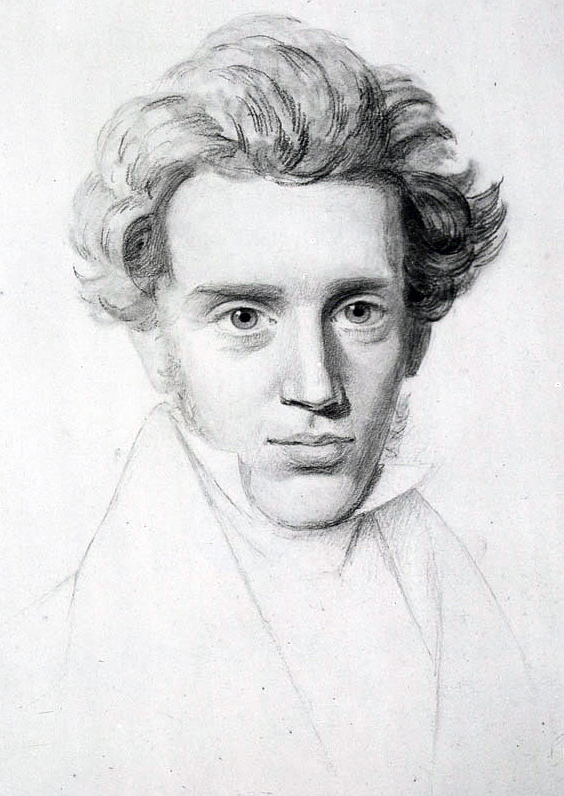 Søren Kierkegaard1813 – 1855
Show 112 moreShow less
 Umberto Eco1932 – 2016
 Martin Heidegger1889 – 1976
 Henri Bergson1859 – 1941
 Michel Foucault1926 – 1984
 Hannah Arendt1906 – 1975
 Antonio Gramsci1891 – 1937
 Theodor Adorno1903 – 1969
 Jürgen Habermasborn 1929
 Jacques Derrida1930 – 2004
 Edmund Husserl1859 – 1938
 Rudolf Christoph Eucken1846 – 1926
 Simone Weil1909 – 1943
 Slavoj Žižekborn 1949
 Walter Benjamin1892 – 1940
 Karl Jaspers1883 – 1969
 Judith Butlerborn 1956
 Max Stirner1806 – 1856
- Gilles Deleuze1925 – 1995
 Herbert Marcuse1898 – 1979
 Jean Baudrillard1929 – 2007
 José Ortega y Gasset1883 – 1955
 Roland Barthes1915 – 1980
 Emil Cioran1911 – 1995
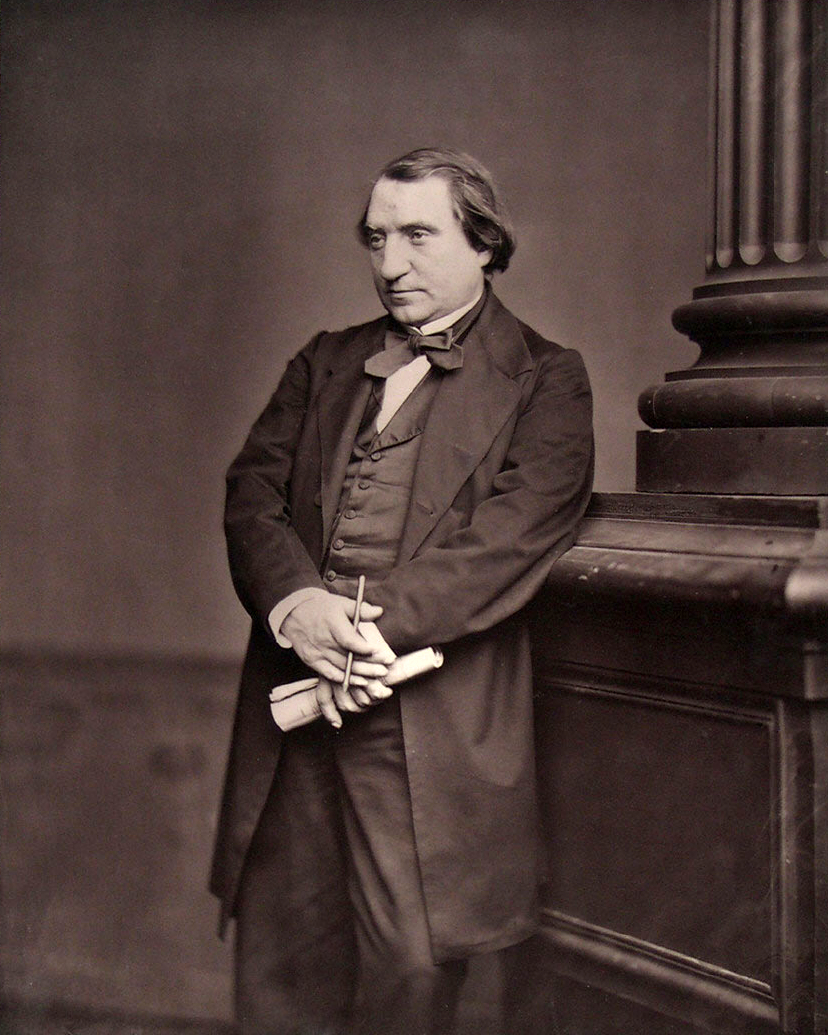 Ernest Renan1823 – 1892
 Martin Buber1878 – 1965
 Hans-Georg Gadamer1900 – 2002
 Julia Kristevaborn 1941
- Louis Althusser1918 – 1990
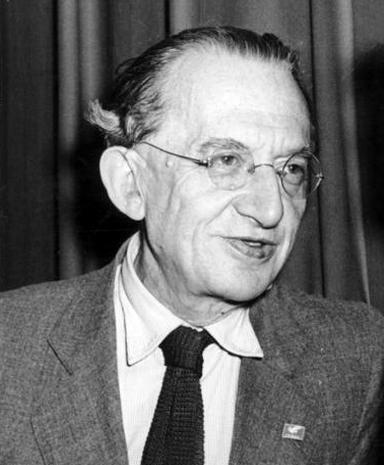 Georg Lukács1885 – 1971
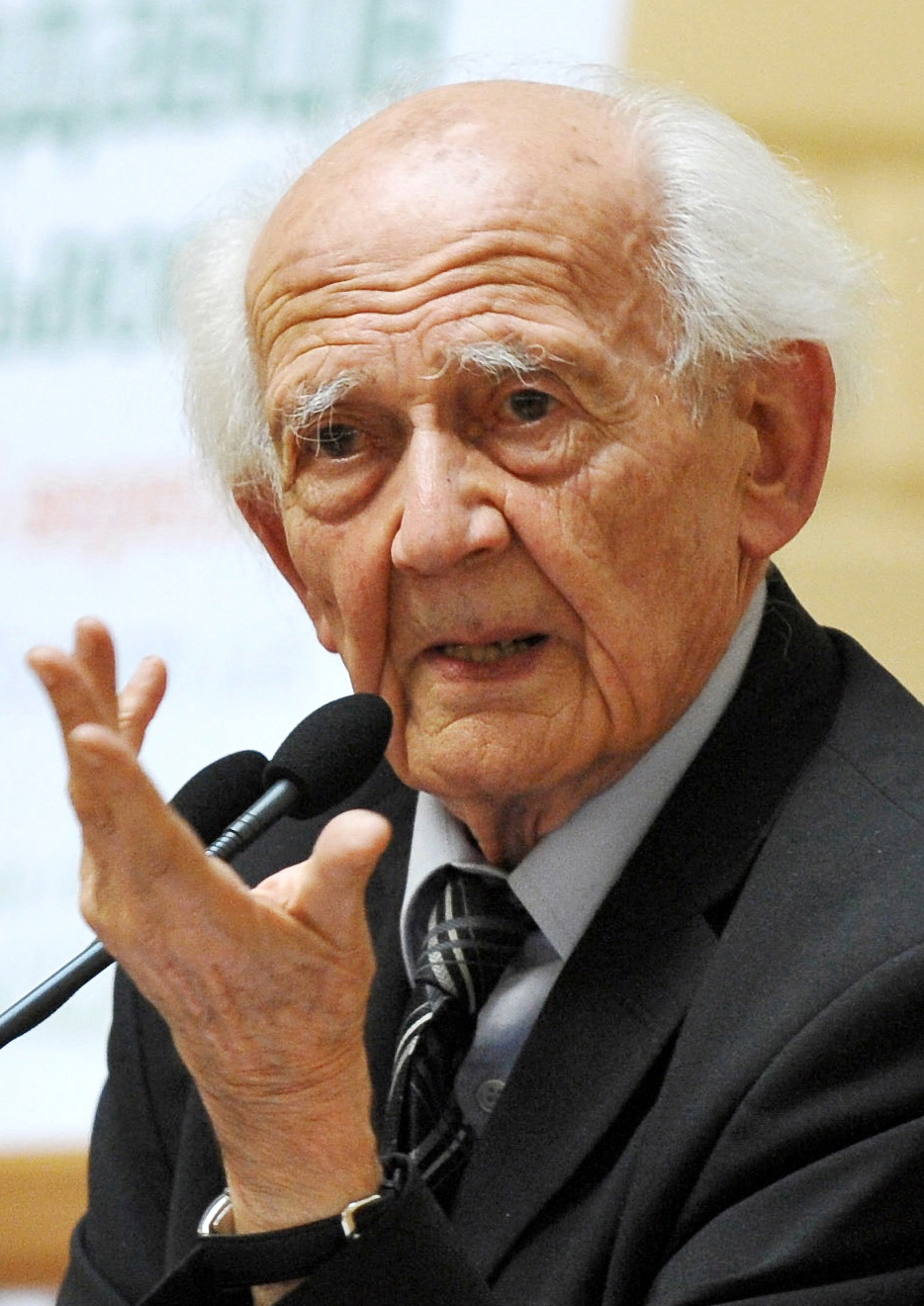 Zygmunt Bauman1925 – 2017
 Carl Schmitt1888 – 1985
 Max Horkheimer1895 – 1973
 Raymond Aron1905 – 1983
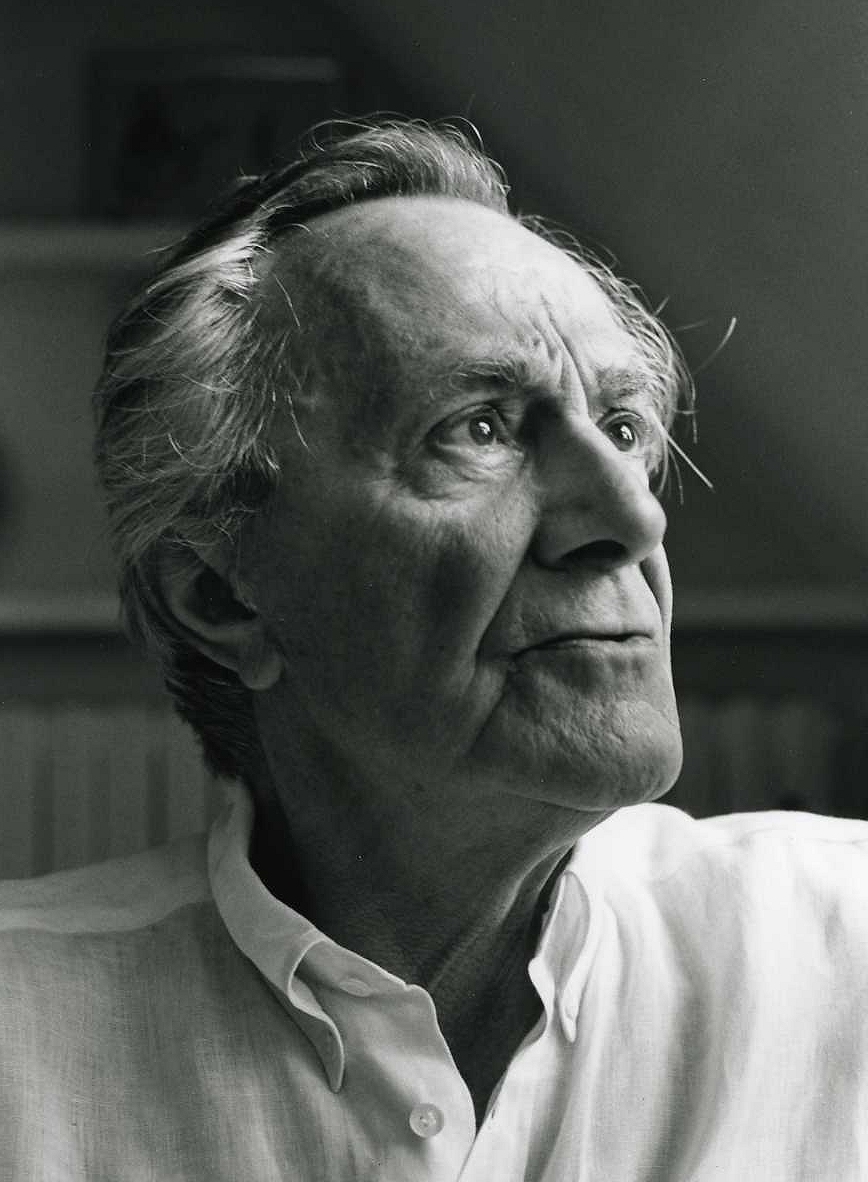 Jean-François Lyotard1924 – 1998
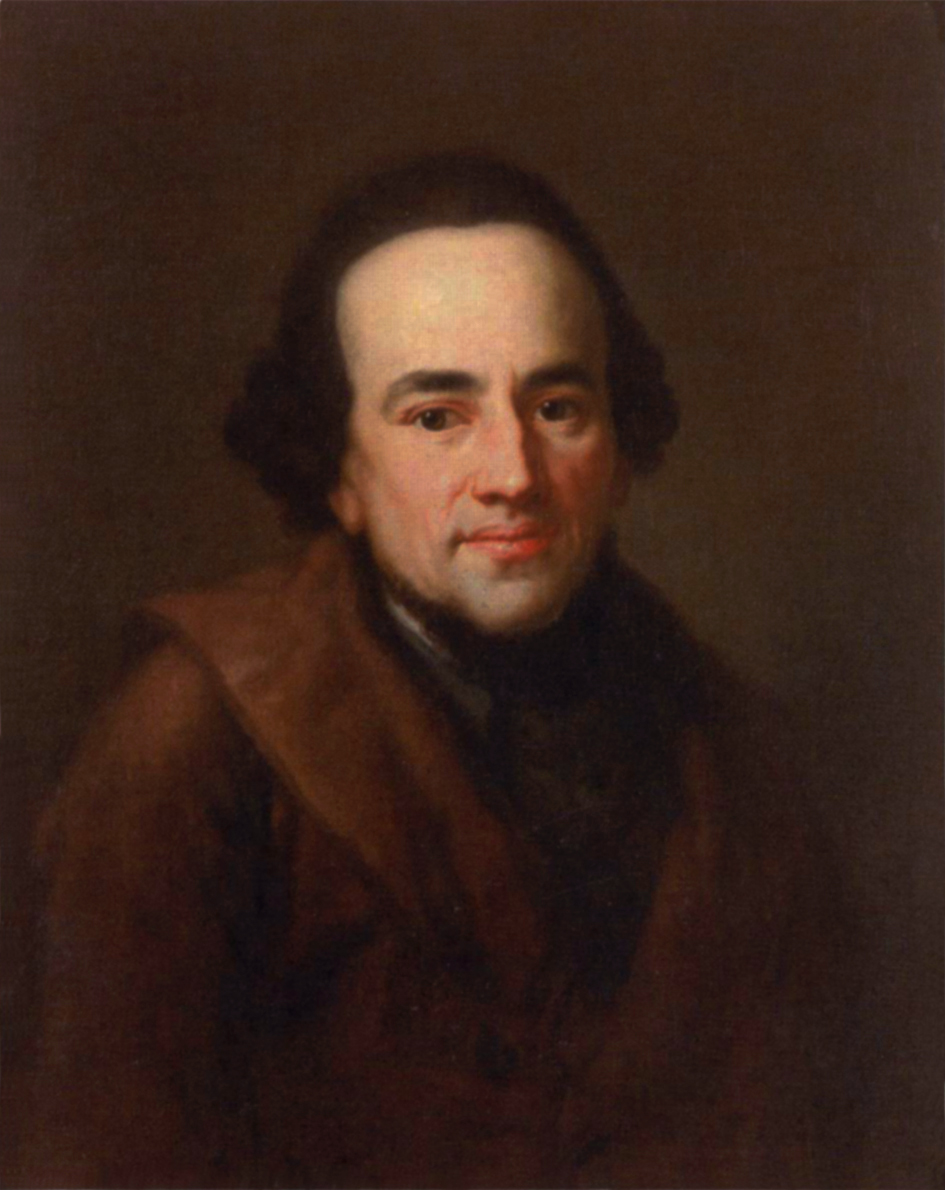 Moses Mendelssohn1729 – 1786
 Gabriel Marcel1889 – 1973
 Gaston Bachelard1884 – 1962
 Bernard-Henri Lévyborn 1948
 Emmanuel Levinas1906 – 1995
 Maurice Merleau-Ponty1908 – 1961
 Alain Badiouborn 1937
 Paul Ricœur1913 – 2005
 Wilhelm Dilthey1833 – 1911
 Georges Sorel1847 – 1922
 Hélène Cixousborn 1937
 Leszek Kołakowski1927 – 2009
 Leo Strauss1899 – 1973
 Bruno Latour1947 – 2022
 Giorgio Agambenborn 1942
 Murray Bookchin1921 – 2006
 Tzvetan Todorov1939 – 2017
 Alain1868 – 1951
- Luce Irigarayborn 1930
 Antonio Negri1933 – 2023
 Maurice Blanchot1907 – 2003
 Hans-Hermann Hoppeborn 1949
 Henri Lefebvre1901 – 1991
 Edgar Morin1921 – 2026
 Charles Taylorborn 1931
 Cornelius Castoriadis1922 – 1997
 María Zambrano1904 – 1991
 Michel Onfrayborn 1959
 Alain Finkielkrautborn 1949
 Victor Cousin1792 – 1867
- Alexandre Kojève1902 – 1968
 Chantal Mouffeborn 1943
 Emmanuel Mounier1905 – 1950
 Ágnes Heller1929 – 2019
 Ernesto Laclau1935 – 2014
 Michel Serres1930 – 2019
 Hans Jonas1903 – 1993
 Philipp Mainländer1841 – 1876
- Alexandre Koyré1892 – 1964
 André Glucksmann1937 – 2015
 Gianni Vattimo1936 – 2023
 Jacques Rancièreborn 1940
 Nancy Fraserborn 1947
 Nicolai Hartmann1882 – 1950
 Peter Wessel Zapffe1899 – 1990
 Byung-Chul Hanborn 1959
 André Gorz1923 – 2007
 Franz Rosenzweig1886 – 1929
 Gershom Scholem1897 – 1982
- Paul Virilio1932 – 2018
 Vasilij Vasilʹevič Rozanov1856 – 1919
- Alexander Zinoviev1922 – 2006
 Étienne Balibarborn 1942
 Jan Patočka1907 – 1977
 Jean Hyppolite1907 – 1968
 Jean-Luc Nancy1940 – 2021
 Joseph Dietzgen1828 – 1888
- Karl Löwith1897 – 1973
 Günther Anders1902 – 1992
 Nick Landborn 1962
 Allan Bloom1930 – 1992
 Axel Honnethborn 1949
 Jean-Luc Marionborn 1946
- Karl-Otto Apel1922 – 2017
- Nikos Poulantzas1936 – 1979
 Sarah Kofman1934 – 1994
- Vladimir Jankélévitch1903 – 1985
 Georges Canguilhem1904 – 1995
 Ludwig Klages1872 – 1956
 Rémi Bragueborn 1947
 Wendy Brownborn 1955
 Dietrich von Hildebrand1889 – 1977
 Pierre Hadot1922 – 2010
 Michel Henry1922 – 2002
 Tetsuro Watsuji1889 – 1960
 Enrique Dussel1934 – 2023
- Judith Butlerborn 1956
- Slavoj Žižekborn 1949
Criticized
1
Key contributors
1You might also explore
PhenomenologyModern European1900 – presentDescribe experience exactly as it is lived, "back to the things themselves". Kantianism★Modern European1781 – presentKant's critical philosophy and its heirs: the mind structures experience; morality is grounded in rational autonomy.Marxism★Modern European1848 – presentHistory is driven by material and economic forces and class struggle; capitalism will give way to communism.Post-structuralismModern European1960 – presentMeaning is unstable; power and language shape what counts as knowledge and identity.
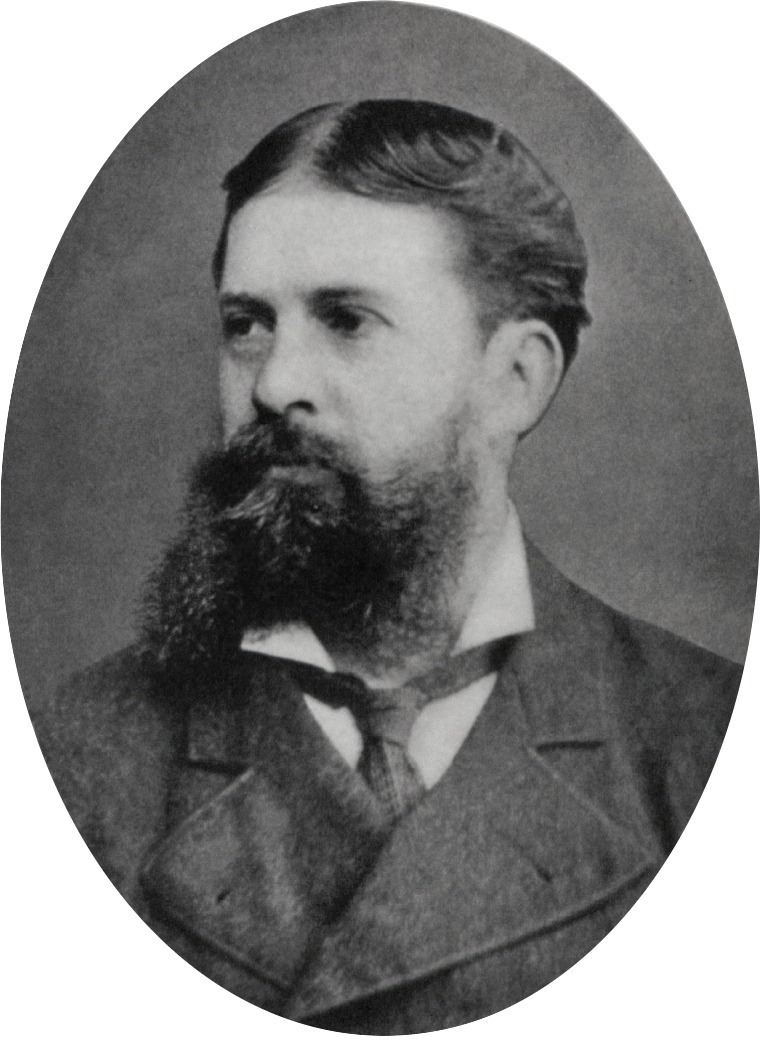 PragmatismAmericas1870 – presentThe meaning and truth of ideas lie in their practical consequences.
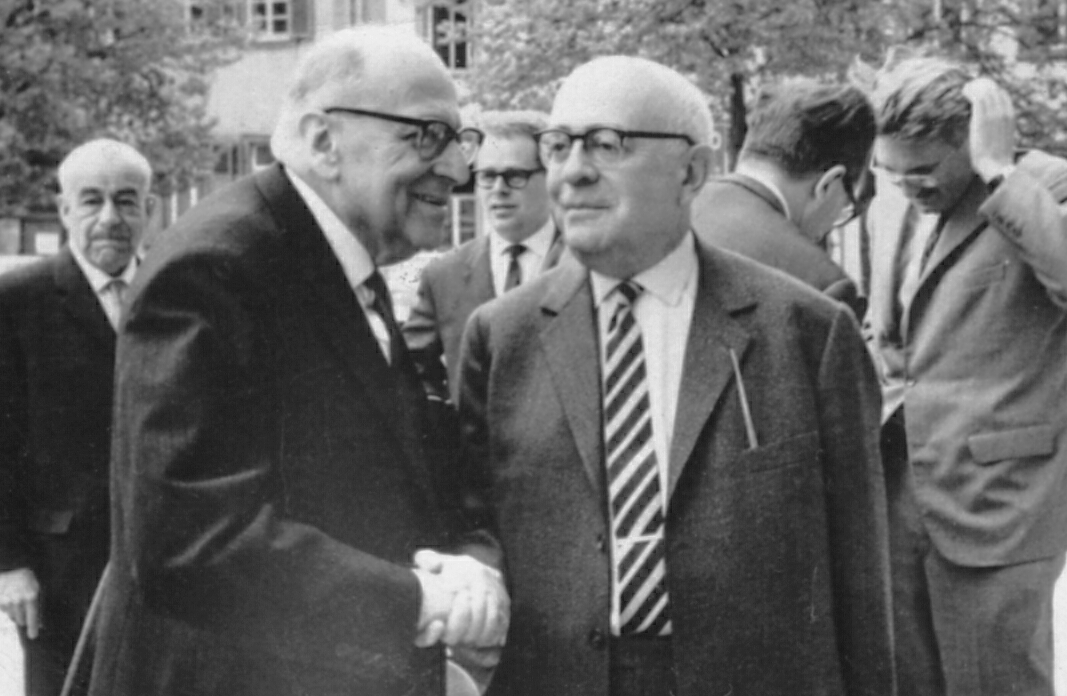 Critical theoryModern European1930 – presentA Marxist-inspired critique of society, culture and domination.