
Advaita Vedānta
अद्वैत वेदान्त
Non-dualism: the individual self (ātman) is identical with Brahman, and the world of many things is appearance (māyā).
Key ideas
Advaita — literally "not-two" — is the most famous school of Vedānta. Systematised by Śaṅkara in the 8th century, it reads the Upaniṣads' great sayings, such as tat tvam asi ("you are that"), literally: the innermost self is not a part or servant of ultimate reality but identical with it.
The everyday world of separate persons and things is not simply unreal, but neither is it ultimately real; it is māyā, an appearance superimposed on Brahman through ignorance (avidyā), as a rope in dim light may be mistaken for a snake. Liberation (mokṣa) comes not from ritual or action but from knowledge that dissolves this misperception.
Advaita became one of India's most influential philosophies and, through Vivekananda and others, a major source of modern Hindu thought and Western interest in Indian philosophy.
Advaita Vedanta (; Sanskrit: अद्वैतवेदान्तः, IAST: Advaita Vedānta) is a Hindu tradition of Vedanta, a Brahmanical tradition of textual exegesis and philosophy; and a monastic institutional tradition nominally related to the Daśanāmi Sampradaya and propagated by the Smarta tradition. Its core tenet is that jivatman, the individual experiencing self, is ultimately pure awareness mistakenly identified with the body and its senses and with thought-constructs, and non-different from Ātman-Brahman or sat, the highest Self or Real. The term Advaita (अद्वैत) literally means "not-two" or "one without a second", which means that only Brahman, 'the one', is ultimately real while prapanca, 'the second', 'the world' or the multiplicity of thought-constructs, is not fully real. It is commonly rendered as "nonduality", and popularly interpreted as meaning that Atman is non-different from Brahman, and often equated with monism.
Advaita Vedanta is a Hindu sādhanā, a path of spiritual discipline and experience. It states that moksha ('liberation', freedom) is attained when knowledge of Brahman is attained, recognising the illusoriness of the phenomenal world and disidentifying from body-mind and the notion of 'doership', acquiring vidyā (knowledge) of one's true identity as Atman-Brahman, self-luminous (svayam prakāśa) awareness or Witness-consciousness. This knowledge is revealed through Upanishadic statements such as tat tvam asi, "that['s how] you are", which destroy the ignorance (avidyā) regarding one's true identity by revealing that (jiv)Ātman is non-different from immortal Brahman.
The Advaita vedanta tradition modifies the Samkhya-dualism between Purusha (pure awareness or consciousness) and Prakriti ('nature', which includes matter but also cognition and emotion) as the two equal basic principles of existence. It proposes instead that Atman-Brahman (awareness, purusha) alone is ultimately real and, though unchanging, is the cause and origin of the transient phenomenal world (prakriti). In this view, the jivatman or individual self is a mere reflection or limitation of singular Ātman in a multitude of apparent individual bodies. It regards the material world as an illusory appearance (maya) or "an unreal manifestation (vivarta) of Brahman", the latter as proposed by the 13th-century scholar Prakasatman of the Vivarana school.
Advaita Vedanta is often presented as an elite scholarly tradition belonging to the orthodox Hindu Vedānta tradition, emphasising scholarly works written in Sanskrit; as such, it is an "iconic representation of Hindu religion and culture." Yet contemporary Advaita Vedanta is yogic Advaita, a medieval and modern syncretic tradition incorporating Yoga and other traditions, and producing works in vernacular. The earliest Advaita writings are the Sannyasa Upanishads (first centuries CE), the Vākyapadīya, written by Bhartṛhari (second half 5th century,) and the Māndūkya-kārikā written by Gauḍapāda (7th century). Gaudapada adapted philosophical concepts from Buddhism, giving them a Vedantic basis and interpretation. The Buddhist concepts were further Vedanticised by Adi Shankara (8th c. CE), who is generally regarded as the most prominent exponent of the Advaita Vedānta tradition, though some of the most prominent Advaita-propositions come from other Advaitins, and his early influence has been questioned. Adi Shankara emphasized that, since Brahman is ever-present, Brahman-knowledge is immediate and requires no 'action' or 'doership', that is, striving (to attain) and effort. Nevertheless, the Advaita tradition, as represented by Mandana Misra and the Bhamati school, also prescribes elaborate preparatory practice, including contemplation of mahavakyas, presenting a tension between sudden and gradual approaches which is also recognized in other spiritual disciplines and traditions.
Shankaracharya's prominence as the exemplary defender of traditional Hindu-values and spirituality started to take shape only centuries later, in the 14th century, with the ascent of Sringeri matha and its jagadguru Vidyaranya (Madhava, 14th cent.) in the Vijayanagara Empire, While Adi Shankara did not embrace Yoga, the Advaita-tradition by then had accepted yogic samadhi as a means to still the mind and attain knowledge, explicitly incorporating elements from the yogic tradition and texts like the Yoga Vasistha and the Bhagavata Purana, culminating in Swami Vivekananda's full embrace and propagation of Yogic samadhi as an Advaita means of knowledge and liberation. In the 19th century, due to the influence of Vidyaranya's Sarvadarśanasaṅgraha, the importance of Advaita Vedānta was overemphasized by Western scholarship, and Advaita Vedānta came to be regarded as the paradigmatic example of Hindu spirituality, despite the numerical dominance of theistic Bhakti-oriented religiosity. In modern times, Advaita views appear in various Neo-Vedānta movements.
Etymology
The word Advaita is a composite of two Sanskrit words:
Prefix "a-" (अ), meaning "non-"
"Dvaita" (द्वैत), which means 'duality' or 'dualism'.
Advaita is often translated as "non-duality", but a more apt translation is "non-secondness". Fabian Volker, following Paul Hacker explains that dvaita does not mean "duality", but "the state in which a second is present", synonymous with prapanca, "conceptual proliferation", and with jagat, "the world". Advaita thus means that only Brahman, 'the one', is ultimately real, while the world with its multiplicity, 'the second', is not fully real.
As Gaudapada states, when the unreal is taken as real, people grasp to the unreal, which is samsara. By realizing one's true identity as Brahman, there is no more grasping, and the mind comes to rest.
In a popular sense, advaita is often expressed as the famous diction that Atman is Brahman, meaning that jivatman, the individual experiencing self, is ultimately pure awareness mistakenly identified with body and the senses, and non-different ("na aparah") from Ātman/Brahman, the highest Self or Reality;; the knowledge of this true identity is liberating.
The word Vedānta is a composition of two Sanskrit words: The word Veda refers to the whole corpus of vedic texts, and the word "anta" means 'end'. From this, one meaning of Vedānta is "the end of the Vedas" or "the ultimate knowledge of the Vedas". As all the vedas are divided into four parts i.e. Samhita, Brahmana, Aranyaka and Upanishads, Upanishads are the ultimate and final part of vedas, Vedanta is called as Upanishads. Veda can also mean "knowledge" in general, so Vedānta can be taken to mean "the end, conclusion or finality of knowledge". Vedānta is one of six orthodox schools of Hindu philosophy.
Advaita Vedanta
While "a preferred terminology" for Upanisadic philosophy "in the early periods, before the time of Shankara" was Puruṣavāda, the Advaita Vedānta school has historically been referred to by various names, such as Advaita-vada (speaker of Advaita), Abheda-darshana (view of non-difference), Dvaita-vada-pratisedha (denial of dual distinctions), and Kevala-dvaita (non-dualism of the isolated). It is also called māyāvāda by Vaishnava opponents, akin to Madhyamaka Buddhism, due to their insistence that phenomena ultimately lack an inherent essence or reality.
"Advaita" (अद्वैत) is from Sanskrit roots a, not; dvaita, "customarily translated as dual". As Advaita, it is usually translated as "not-two" or "one without a second", and most commonly as "nondualism", "nonduality" or "nondual", invoking the notion of a dichotomy. Fabian Volker, following Paul Hacker explains that dvaita does not mean "duality", but "the state in which a second is present", the second here being synonymous with prapanca, "conceptual proliferation", and with jagat, "the world". Advaita thus means that only Brahman, 'the one', is ultimately real, while the phenomenal world, or the conceptual multiplicity, 'the second', is not fully real. The term thus does not emphasize two instances, but the notion that the second instance is not fully real, and advaita is better translated as "that which has no second beside it" instead of "nonduality", denying multiplicity and the proliferation of concepts "that tend to obscure the true state of affairs."
According to Richard King, a professor of Buddhist and Asian studies, the term Advaita first occurs in a recognizably Vedantic context in the prose of Mandukya Upanishad. According to Frits Staal, a professor of philosophy specializing in Sanskrit and Vedic studies, the word Advaita itself is from the Vedic era, and the Vedic sage Yajnavalkya (8th or 7th-century BCE) is credited to be the one who coined it. Stephen Phillips, a professor of philosophy and Asian studies, translates the Advaita containing verse excerpt in Brihadaranyaka Upanishad, as "An ocean, a single seer without duality becomes he whose world is Brahman."
Advaita tradition
Adapted from the Wikipedia article Advaita Vedanta, available under CC BY-SA 4.0.
Connections
Founded by
1
Proposed by
1Part of
1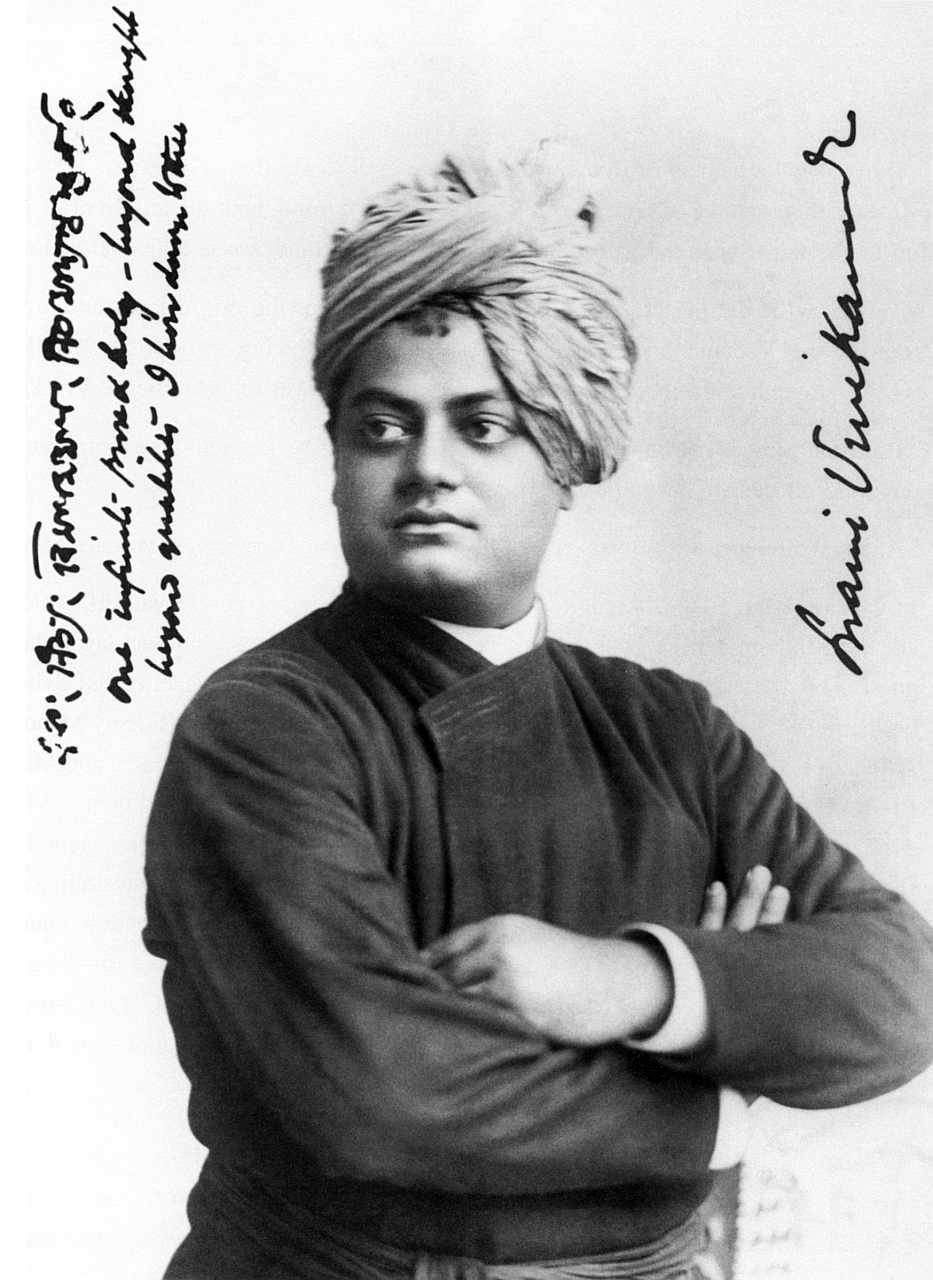

Criticized by
2


You might also explore
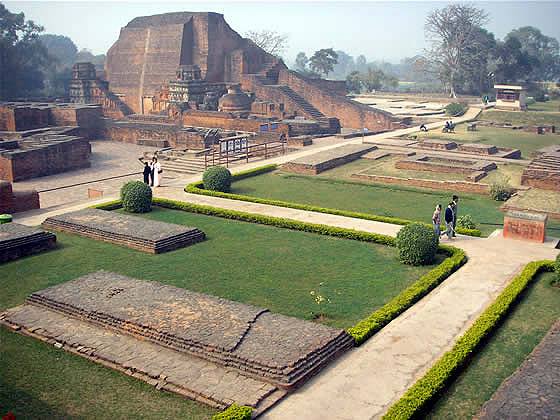 Buddhist philosophyIndian500 BCE – presentFrom the Buddha's Four Noble Truths: suffering arises from craving and ignorance and can end through insight into…Neo-VedāntaIndian1850 – presentModern reinterpretations of Vedānta by Vivekananda, Aurobindo and Radhakrishnan that stress universal religion and…
 Daoism★Chinese400 BCE – presentFollow the Dao — the nameless way of nature — through simplicity, spontaneity and effortless action (wu wei).Sufism★Islamic800 – presentIslamic mysticism: love, annihilation of the ego (fanāʾ) and union with the divine.
 Chan / Zen Buddhism★Chinese500 – presentMeditation school stressing sudden awakening, direct pointing to the mind and transmission outside the scriptures.