The soul and the self
Is there something in us that persists — a soul, a self — or are we a changing stream? Few questions have travelled further.

The self (ātman) is the unseen seer — "not this, not this" — beneath every experience.

No-self: what we call a person is five changing aggregates, with no permanent owner.

The soul is immortal, divided into reason, spirit and appetite, and knew the Forms before birth.

The soul is the form of a living body — not a separate thing, but the body's way of being alive.

Turning inward, the soul finds God within; "If I am mistaken, I exist."

The ātman is identical with Brahman; individuality is appearance.

Floating Man: a person with no sensations would still know he exists — so the soul is distinct from the body.

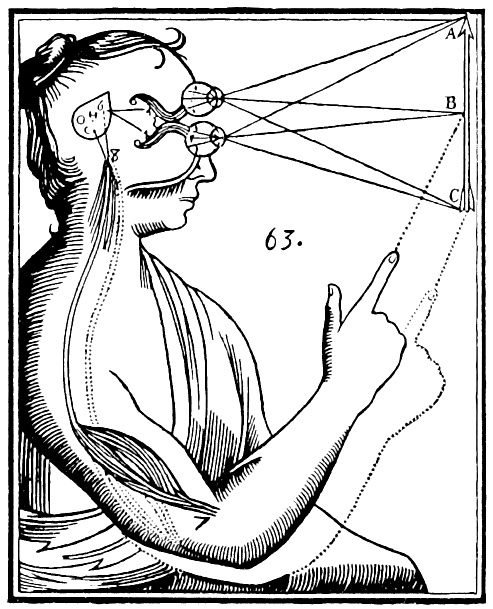
I am a thinking thing, wholly distinct from my extended body.

Personal identity consists in continuity of consciousness and memory, not of substance.

Looking within, I find no self — only a bundle of perceptions.

The "I think" must accompany all representations, but we cannot know the self as a thing in itself.

The self is not a thing but a project: existence precedes essence.
Derek Parfit: personal identity is not what matters; psychological continuity is — closer to the Buddha than to Descartes.