beginner · 45 min
The Way: Chinese philosophy
Confucians, Daoists, Mohists and Legalists argue about how to live and govern.
Your progress0 / 10
 Chinese philosophyTraditionThe Hundred Schools of Thought.Born in the "Hundred Schools of Thought" era, Chinese philosophy focuses on how to live and govern well — harmony, ritual, virtue and the Way (Dao).
 ConfuciusPhilosopherRitual, humaneness and the exemplary person.Teacher from Lu whose vision of humaneness, ritual and self-cultivation became the moral foundation of East Asian civilisation.
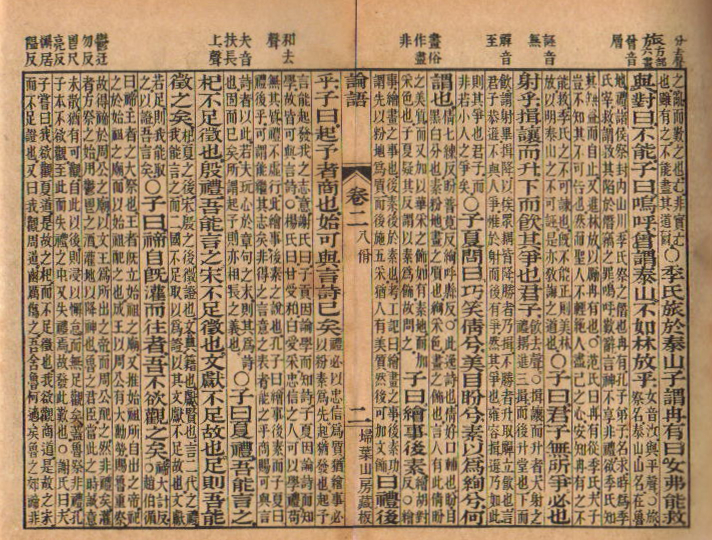 AnalectsWorkRead the sayings themselves.Sayings of Confucius and his disciples on virtue, ritual, learning and government.
 LaoziPhilosopherThe sage of the nameless Way.Legendary sage and reputed author of the Daodejing, the founding text of Daoism.
- Wu weiConceptEffortless action.Effortless action: acting in harmony with the Dao without forcing.
 ZhuangziPhilosopherParadox, perspective and the butterfly dream.Daoist master of parable and paradox who dreamt he was a butterfly — and wondered which was the dream.
 MoziPhilosopherA rival: care for everyone equally.Craftsman-philosopher who taught impartial care for all and judged doctrines by their benefits.
 MenciusPhilosopherHuman nature is good.The "second sage" of Confucianism, who argued that human nature is good and contains sprouts of virtue.
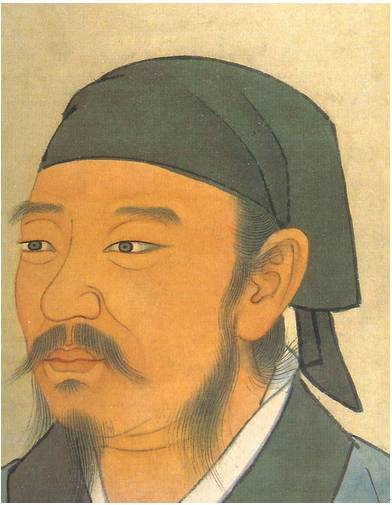 XunziPhilosopherHuman nature is bad.Confucian who held that human nature is bad and must be reformed by ritual and learning.
 Wang YangmingPhilosopherKnowing and acting are one.Neo-Confucian who taught the unity of knowledge and action and innate moral knowing.